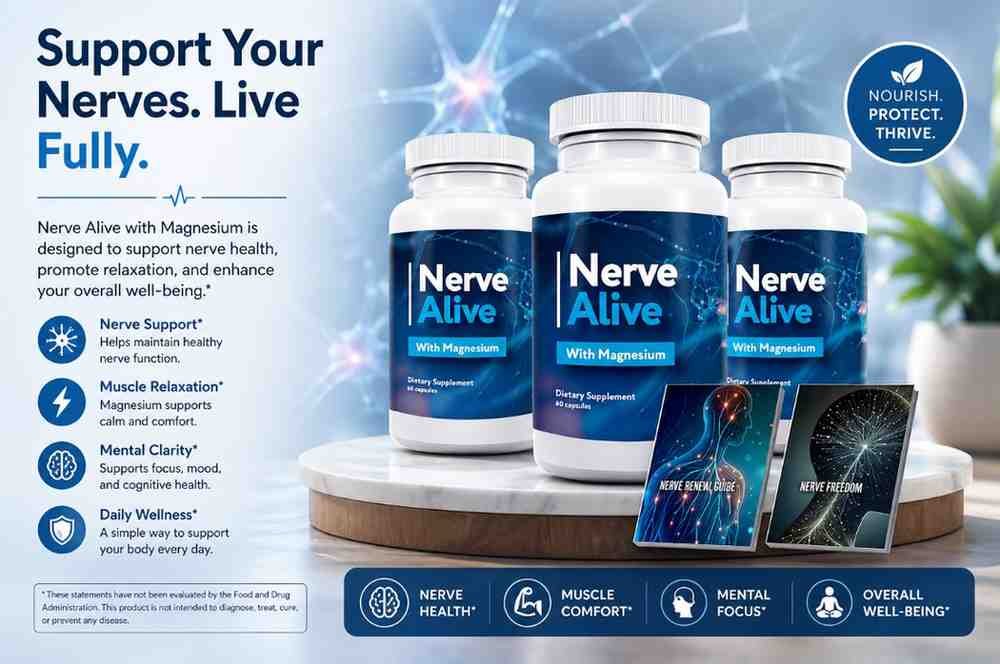
Nerve pain doesn’t discriminate. Whether it manifests as shooting sensations down your legs, burning tingles in your fingertips, or numbness that makes simple tasks feel impossible, the search for reliable relief becomes all-consuming. Nerve Alive has emerged as a popular supplement claiming to address these concerns through natural ingredients, but does the science support these bold promises?
This comprehensive review examines Nerve Alive supplement from every angle—ingredient research, clinical evidence, consumer experiences, safety profiles, and cost analysis—to help you make an informed decision about whether this nerve health supplement deserves a place in your wellness routine.
What Is Nerve Alive and How Does It Claim to Work?
Nerve Alive is marketed as a natural dietary supplement specifically formulated to support nerve health, reduce inflammation, and promote nerve regeneration. Unlike topical treatments that only address surface-level symptoms, this nerve regeneration supplement purports to work systemically, targeting the root causes of nerve discomfort from within.
The manufacturer positions Nerve Alive as a comprehensive solution for individuals experiencing:
- Tingling sensations in extremities
- Burning nerve pain
- Reduced mobility due to nerve discomfort
- Sleep disturbances related to neuropathy
- General nerve inflammation
The product comes in capsule form, with a recommended dosage of two capsules daily. According to the manufacturer, consistent use over 8-12 weeks yields the most significant results, though some users report improvements within 2-4 weeks.
The Mechanism Behind Nerve Alive
The Nerve Alive supplement operates on a multi-faceted approach to nerve health:
Inflammation Reduction: Chronic inflammation contributes significantly to nerve pain and dysfunction. The formulation includes anti-inflammatory compounds designed to calm overactive immune responses affecting nerve tissues.
Nerve Tissue Protection: Several ingredients create protective barriers around nerve cells, shielding them from oxidative stress and environmental damage.
Nervous System Calming: By modulating nerve signal transmission, the supplement aims to reduce the hyperactivity that causes burning, tingling, and shooting pain sensations.
Circulation Enhancement: Improved blood flow to nerve tissues ensures adequate oxygen and nutrient delivery, supporting natural repair processes.
Stress Response Modulation: Since stress exacerbates nerve pain, the formula includes adaptogenic compounds that help regulate the body’s stress response.
Deep Dive Into Nerve Alive Ingredients: What Does Science Say?
Understanding what’s inside Nerve Alive is crucial for evaluating its potential effectiveness. Let’s examine each primary ingredient with a critical, evidence-based lens.
Passion Flower Herb Powder (Passiflora incarnata)
Passion flower has been used in traditional medicine for centuries, primarily for its anxiolytic and sedative properties. Modern research has begun validating these traditional uses.
A 2024 clinical study published in peer-reviewed literature demonstrated that Passiflora incarnata extract significantly reduced perceived stress levels and increased total sleep time compared to placebo groups. The mechanism appears to involve gamma-aminobutyric acid (GABA) modulation, which helps calm overactive neural pathways.
For nerve health specifically, the connection lies in the stress-nerve pain cycle. Chronic stress amplifies pain perception and can worsen neuropathic symptoms. By reducing stress and improving sleep quality, passion flower may indirectly support better nerve function and pain management.
Clinical Relevance: Moderate to strong evidence supports stress reduction and sleep improvement, both beneficial for neuropathy management.
Marshmallow Root (Althaea officinalis)
Marshmallow root contains high concentrations of mucilage, a gel-like substance that creates protective coatings on tissues. Traditionally used for digestive and respiratory issues, its inclusion in a nerve health supplement is less conventional.
The theoretical benefit centers on its anti-inflammatory and protective properties. Mucilage compounds may help reduce inflammatory responses throughout the body, including neural tissues. Additionally, marshmallow root contains flavonoids and phenolic acids with antioxidant properties that could theoretically protect nerve cells from oxidative damage.
However, direct clinical evidence linking marshmallow root to nerve regeneration or neuropathy relief remains limited. Most research focuses on its mucosal protective effects rather than neurological applications.
Clinical Relevance: Limited direct evidence for nerve health; potential indirect benefits through systemic inflammation reduction.
Corydalis Powder (Corydalis Yanhuosuo)
This ingredient represents one of the more scientifically interesting components in Nerve Alive. Corydalis has been used in traditional Chinese medicine for pain management, and contemporary research has identified specific alkaloids responsible for its analgesic effects.
A 2016 study published in scientific literature demonstrated that Corydalis Yanhuosuo effectively attenuated acute, inflammatory, and neuropathic pain without causing tolerance—a significant advantage over many pharmaceutical pain relievers. The researchers identified that effects on acute and neuropathic pain were partially mediated through dopamine D2 receptor antagonism.
The active compound dehydrocorybulbine (DHCB) has shown promise in preclinical models of chronic pain. Unlike opioids, Corydalis appears to work through dopamine pathways rather than opioid receptors, potentially offering pain relief without addiction risk.
Clinical Relevance: Strong preclinical evidence and emerging clinical data support use for neuropathic pain; one of the most scientifically validated ingredients for nerve discomfort.
Prickly Pear 20:1 (Opuntia phaeacantha)
Prickly pear cactus has gained attention for its rich antioxidant profile, particularly betalains, flavonoids, and vitamin C. These compounds combat oxidative stress, which plays a significant role in nerve damage and neuropathy progression.
Research on prickly pear demonstrates anti-inflammatory properties, with studies showing reduced inflammatory markers in various conditions. For diabetic neuropathy specifically—a common cause of nerve pain—antioxidant therapy has shown promise in slowing progression and reducing symptoms.
The 20:1 concentration indicates a concentrated extract, meaning each gram contains the active compounds from 20 grams of raw material, potentially enhancing potency.
Clinical Relevance: Moderate evidence for antioxidant and anti-inflammatory effects; indirect support for nerve health through oxidative stress reduction.
California Poppy Seed (Eschscholzia californica)
California poppy has been traditionally used as a mild sedative and anxiolytic. Unlike its opium-producing relative, California poppy is non-addictive and legal, working through different mechanisms.
The plant contains alkaloids including californidine and eschscholtzine, which appear to interact with GABA receptors and potentially affect neurotransmitter balance. This may contribute to muscle relaxation, reduced anxiety, and improved sleep quality.
For nerve pain sufferers, the value lies primarily in addressing secondary symptoms—the sleep disturbances and anxiety that often accompany chronic neuropathy. Better sleep facilitates natural healing processes and reduces pain perception.
Clinical Relevance: Moderate evidence for sleep and anxiety benefits; indirect support for nerve health through improved rest and stress reduction.
Evaluating the Scientific Foundation of Nerve Alive
When assessing any nerve regeneration supplement, we must distinguish between ingredients with direct neuroprotective effects versus those providing supportive benefits.
Direct Nerve Health Support: Corydalis stands out with the strongest evidence for directly addressing neuropathic pain. The dopaminergic mechanism offers a novel approach distinct from standard pain medications.
Indirect Support Through Inflammation Reduction: Prickly pear and marshmallow root contribute antioxidant and anti-inflammatory effects that create a more favorable environment for nerve healing.
Symptom Management: Passion flower and California poppy primarily address secondary symptoms—stress, anxiety, and poor sleep—that exacerbate nerve pain and hinder recovery.
What’s Missing from Nerve Alive?
Notably absent from the Nerve Alive formula are several ingredients commonly found in evidence-based nerve health supplements:
Alpha Lipoic Acid (ALA): Extensive research supports ALA for diabetic neuropathy, with doses of 600mg daily showing significant symptom reduction in multiple clinical trials.
B-Vitamins: Vitamins B1, B6, and particularly B12 are essential for nerve health. Deficiencies contribute to neuropathy, and supplementation often provides measurable benefits.
Acetyl-L-Carnitine (ALC): Multiple studies demonstrate effectiveness for chemotherapy-induced neuropathy and diabetic neuropathy.
Benfotiamine: A fat-soluble form of vitamin B1 with superior bioavailability, showing promise for diabetic neuropathy.
The absence of these well-researched compounds represents a potential limitation, especially given their strong clinical track records.
Nerve Alive Safety Profile: What You Need to Know
Safety represents a paramount concern when considering any supplement, particularly for individuals with existing health conditions or those taking medications.
General Safety Considerations
Nerve Alive is manufactured in FDA-registered, GMP-certified facilities, which provides quality assurance regarding contamination, purity, and accurate labeling. The product claims to be free from GMOs, gluten, and dairy, making it suitable for individuals with these dietary restrictions.
The natural ingredient profile generally suggests a favorable safety margin for most adults. However, “natural” doesn’t automatically mean “safe for everyone.”
Potential Side Effects and Interactions
Passion Flower: Generally well-tolerated but may cause drowsiness. Should be used cautiously with sedative medications, including benzodiazepines, barbiturates, and certain antidepressants. May enhance the effects of MAO inhibitors.
Marshmallow Root: Can potentially interfere with medication absorption due to its mucilage content. Best taken at least one hour before or two hours after other medications. May affect blood sugar levels, requiring caution for diabetics on medication.
Corydalis: Limited safety data exists for long-term use in Western populations. Potential interactions with dopamine-affecting medications. May cause drowsiness or dizziness in some individuals.
California Poppy: Generally safe but may enhance sedative effects of medications. Should be avoided before operating machinery or driving until individual response is known.
Who Should Avoid Nerve Alive?
Specific populations should exercise particular caution or avoid Nerve Alive entirely:
Pregnant and Breastfeeding Women: Insufficient safety data exists for several ingredients during pregnancy and lactation.
Individuals with Liver Disease: Some herbs may affect liver function or be contraindicated with existing liver conditions.
Those on Blood Thinners: Potential interactions exist with anticoagulant medications.
People with Kidney Disease: Herb metabolism and excretion may be altered in kidney disease.
Individuals Taking Psychiatric Medications: Multiple ingredients affect neurotransmitter systems and could interact with antidepressants, anti-anxiety medications, or antipsychotics.
Always consult a healthcare provider before starting Nerve Alive, especially if you have pre-existing conditions or take prescription medications.
Analyzing Real Consumer Experiences with Nerve Alive
Customer reviews provide valuable insights into real-world effectiveness, though they should be interpreted cautiously given individual variation and potential bias.
Positive User Reports
Many Nerve Alive reviews highlight several common themes:
Gradual Improvement: Users frequently report that benefits emerged over 2-4 weeks rather than immediately, aligning with the manufacturer’s timeline expectations.
Sleep Quality Enhancement: A recurring theme involves improved sleep, with users noting fewer nighttime awakenings due to nerve pain.
Reduced Burning Sensations: Multiple testimonials specifically mention decreased burning feelings in feet and hands.
Improved Mobility: Users with mobility limitations report gradual improvements in walking comfort and overall movement.
Better Quality of Life: Beyond specific symptoms, reviewers often emphasize overall improvements in daily functioning and reduced worry about symptom progression.
Critical Perspectives and Limitations
Not all experiences are universally positive, and some patterns emerge in less favorable reviews:
Variable Effectiveness: A subset of users reports minimal to no improvement, even after extended use.
Slow Results: Some individuals express frustration with the timeline, wanting faster relief than the product delivers.
Cost Concerns: At $79 for a single bottle, some reviewers question the value, especially when uncertain about effectiveness.
Severe Neuropathy Limitations: Users with advanced or severe neuropathy appear less likely to experience significant benefits compared to those with mild-to-moderate symptoms.
Interpreting Customer Testimonials
When evaluating Nerve Alive customer reviews, consider these factors:
Placebo Effect: Real and powerful, the placebo effect may contribute to some reported benefits, particularly for subjective symptoms like pain.
Selection Bias: Extremely satisfied and extremely dissatisfied customers are more likely to leave reviews than those with moderate experiences.
Individual Variation: Neuropathy has multiple causes—diabetic, chemotherapy-induced, idiopathic, nutritional—and different causes may respond differently to the same supplement.
Concurrent Interventions: Users may simultaneously employ other treatments—physical therapy, prescription medications, lifestyle changes—making it difficult to isolate Nerve Alive’s specific contribution.
Nerve Alive Pricing and Value Analysis
Understanding the cost structure helps determine whether Nerve Alive represents good value for your investment in nerve health.
Pricing Structure
Single Bottle: $79 for a 60-day supply (60 capsules, 2 per day)
Three-Bottle Package: $69 per bottle ($207 total), saving $30 compared to buying individually
Six-Bottle Package: $49 per bottle ($294 total), saving $180 and representing the best per-unit value
All multi-bottle packages include a 60-day money-back guarantee and two free bonus eBooks (content varies but typically covers nerve health education and lifestyle strategies).
Cost-Effectiveness Comparison
To contextualize Nerve Alive’s pricing, let’s compare it to alternatives:
Prescription Medications: Gabapentin, pregabalin, and duloxetine—common neuropathy prescriptions—vary widely in cost. Generic versions may be $10-50 monthly, while brand-name options can exceed $200. However, insurance typically covers prescriptions, whereas supplements are out-of-pocket expenses.
Other Nerve Supplements: Comparable products range from $25-70 for monthly supplies. Nerve Alive sits at the higher end but offers a 60-day rather than 30-day supply.
Clinical Therapies: Physical therapy, acupuncture, and chiropractic care can cost $50-150 per session, with multiple sessions needed.
Alpha Lipoic Acid Alone: High-quality ALA supplements (600mg) cost approximately $15-30 for a month’s supply—significantly less than Nerve Alive but offering only one mechanism of action.
Value Proposition
Nerve Alive justifies its premium pricing through:
- Combination formula addressing multiple pathways
- Quality manufacturing standards
- Money-back guarantee
- Convenience of a single product versus multiple supplements
However, the value diminishes if:
- You require only one or two of the included ingredients
- You could achieve similar results with less expensive, well-researched individual supplements
- You experience no benefit after the trial period
How Nerve Alive Compares to Evidence-Based Alternatives
To make an informed decision, it’s essential to understand how Nerve Alive stacks up against other approaches to nerve health.
Alpha Lipoic Acid Supplementation
Evidence Level: Strong, with multiple randomized controlled trials
Mechanism: Powerful antioxidant, improves insulin sensitivity, enhances nerve blood flow
Dosage: Typically 600mg daily
Pros: Well-researched, specifically for diabetic neuropathy; relatively inexpensive
Cons: May cause nausea if taken on an empty stomach; needs consistent long-term use
Comparison to Nerve Alive: ALA has more robust clinical evidence for neuropathy but works through a single primary mechanism. Nerve Alive offers multiple mechanisms but with less research specifically for neuropathy.
B-Vitamin Complex
Evidence Level: Strong for deficiency-related neuropathy; moderate for non-deficiency cases
Mechanism: Essential cofactors for nerve function and myelin sheath maintenance
Dosage: Varies by vitamin; B12 often supplemented at 1000-2000mcg daily
Pros: Inexpensive, well-tolerated, addresses common deficiencies
Cons: Less effective if neuropathy isn’t related to B-vitamin deficiency
Comparison to Nerve Alive: B-vitamins are absent from Nerve Alive, which could be a limitation for individuals with nutritional deficiencies.
Acetyl-L-Carnitine
Evidence Level: Moderate to strong, particularly for chemotherapy-induced neuropathy
Mechanism: Supports energy production in nerve cells, promotes nerve regeneration
Dosage: Typically 1500-3000mg daily in divided doses
Pros: Good evidence for specific neuropathy types
Cons: Relatively expensive; may cause fishy body odor in some users
Comparison to Nerve Alive: Not included in Nerve Alive; represents another potentially beneficial ingredient that could enhance the formula.
Prescription Medications
Evidence Level: Very strong for many neuropathy medications
Common Options: Gabapentin, pregabalin, duloxetine, amitriptyline
Pros: Robust clinical trials; often effective for moderate to severe pain
Cons: Side effects can be significant (drowsiness, weight gain, cognitive effects); dependency potential with some medications
Comparison to Nerve Alive: Prescriptions offer more powerful symptom relief but with greater side effect risks. Nerve Alive may appeal to those seeking gentler, more natural approaches or complementary therapies.
Creating an Optimal Nerve Health Strategy
Rather than viewing Nerve Alive as a standalone solution, the most effective approach often involves comprehensive lifestyle and therapeutic strategies.
Foundational Lifestyle Modifications
Blood Sugar Management: For diabetic neuropathy, maintaining stable glucose levels is paramount and more impactful than any supplement.
Nutritional Optimization: Ensure adequate intake of B-vitamins, vitamin D, omega-3 fatty acids, and antioxidants through diet or targeted supplementation.
Physical Activity: Regular exercise improves circulation, helps maintain healthy blood sugar, and can reduce pain perception.
Stress Management: Chronic stress worsens pain; incorporate proven stress-reduction techniques like meditation, yoga, or deep breathing exercises.
Sleep Hygiene: Quality sleep supports healing and reduces pain amplification; prioritize consistent sleep schedules and good sleep environment.
Alcohol Limitation: Alcohol is neurotoxic and can worsen neuropathy, particularly in those with alcoholic neuropathy or concurrent liver issues.
Complementary Therapies
Physical Therapy: Targeted exercises can improve strength, balance, and function while potentially reducing pain.
Acupuncture: Moderate evidence supports acupuncture for certain types of neuropathic pain.
Transcutaneous Electrical Nerve Stimulation (TENS): Non-invasive electrical stimulation may provide pain relief for some individuals.
Cognitive Behavioral Therapy: Helps manage the psychological impact of chronic pain and can reduce pain perception.
Where Nerve Alive Fits
Nerve Alive may serve as:
A Complementary Addition: Combined with lifestyle modifications and medical treatment when appropriate
An Initial Natural Approach: For mild symptoms, before escalating to prescription medications
A Maintenance Strategy: After achieving improvement through other means, to support ongoing nerve health
Part of a Multi-Supplement Protocol: Alongside evidence-based supplements like ALA or B-vitamins that address different pathways
Red Flags and Marketing Considerations
When evaluating any health supplement, it’s crucial to approach marketing claims with appropriate skepticism.
Overpromising Concerns
Some Nerve Alive marketing materials may overstate potential benefits or suggest dramatic transformations that don’t align with the moderate evidence base for most ingredients. Be wary of:
- Claims of “miraculous” or “revolutionary” results
- Before-and-after testimonials without independent verification
- Suggestions that the supplement replaces medical care
- Pressure tactics emphasizing limited availability
The 60-Day Guarantee
While the money-back guarantee appears generous, examine the fine print:
- Return policies may require unopened bottles
- Shipping costs may not be refundable
- Processing refunds may take several weeks
- The guarantee period may be insufficient for full evaluation if optimal results require 8-12 weeks
Proprietary Blends vs. Transparent Labeling
Nerve Alive does list specific ingredients, which is positive. However, verify whether exact dosages are disclosed for each component. “Proprietary blends” that hide individual ingredient amounts make it impossible to compare to clinical research doses.
Who Might Benefit Most from Nerve Alive?
Nerve Alive may be most appropriate for:
Individuals with Mild-to-Moderate Neuropathy Symptoms: Those experiencing early-stage or less severe symptoms may see more significant improvements than those with advanced neuropathy.
People Seeking Natural Approaches: Those preferring herbal and plant-based interventions over pharmaceutical options.
Individuals with Sleep and Stress-Related Symptom Exacerbation: Given the calming ingredients, those whose nerve pain worsens with poor sleep or high stress may particularly benefit.
Those Unable to Tolerate Prescription Medications: Individuals who experience unacceptable side effects from gabapentin, pregabalin, or other neuropathy medications.
People Looking for Multi-Pathway Support: Those interested in addressing nerve health through several mechanisms rather than a single targeted supplement.
Who Should Look Elsewhere?
Nerve Alive may not be ideal for:
Individuals with Severe Neuropathy: Advanced cases often require more aggressive medical intervention.
Those Seeking Fastest Possible Relief: The gradual onset of benefits may frustrate those needing immediate symptom control.
People on Tight Budgets: More affordable evidence-based alternatives exist.
Individuals with Specific Nutritional Deficiencies: Those deficient in B12, for example, would benefit more from targeted B-vitamin supplementation.
Those Already Taking Multiple Sedating Medications: The calming ingredients could excessively enhance sedation.
Final Verdict: Should You Try Nerve Alive?
Nerve Alive represents a thoughtfully formulated nerve health supplement with several scientifically interesting ingredients, particularly Corydalis, which has emerging evidence for neuropathic pain. The combination approach addressing inflammation, stress, and sleep makes theoretical sense, as these factors genuinely impact nerve health.
However, the product falls short of being a guaranteed solution. The absence of well-researched ingredients like Alpha Lipoic Acid, B-vitamins, and Acetyl-L-Carnitine represents a missed opportunity to incorporate the strongest available evidence.
The Bottom Line
Nerve Alive may be worth trying if:
- You have mild-to-moderate nerve discomfort
- You prefer natural approaches
- You’re willing to commit to 8-12 weeks to evaluate effectiveness
- You can afford the investment
- You’ve consulted with a healthcare provider about appropriateness for your situation
Consider alternatives if:
- You have severe neuropathy requiring more aggressive intervention
- You want the most evidence-based supplement approach (consider ALA, B-vitamins, or ALC)
- Budget is a primary concern
- You need faster symptom relief than supplements can provide
Recommendations for Use
If you decide to try Nerve Alive:
- Start with realistic expectations: Understand that supplements provide gradual, modest improvements rather than dramatic cures.
- Give it adequate time: Commit to at least 8 weeks of consistent use before fully evaluating effectiveness.
- Track your symptoms: Keep a journal documenting pain levels, sleep quality, and functional abilities to objectively assess changes.
- Maintain other health practices: Continue medical treatments, lifestyle modifications, and other therapies recommended by your healthcare provider.
- Monitor for side effects: Pay attention to any new symptoms, particularly drowsiness or digestive changes.
- Communicate with your doctor: Inform healthcare providers about all supplements you’re taking, especially before surgeries or when starting new medications.
Beyond Supplementation: The Bigger Picture
While Nerve Alive and similar supplements can play a supportive role, the most effective nerve health strategies typically involve comprehensive approaches:
Address underlying causes: If diabetes, vitamin deficiencies, or other conditions contribute to neuropathy, managing these root causes is essential.
Optimize overall health: General health improvements—better nutrition, regular exercise, stress management—benefit nerve function.
Be patient with healing: Nerve regeneration is slow; expect gradual improvements over months, not days.
Stay informed: Nerve health research continues evolving; new treatment options and evidence emerge regularly.
Build a support team: Work with neurologists, pain specialists, nutritionists, and other healthcare providers for optimal outcomes.
Frequently Asked Questions About Nerve Alive
How long does one bottle of Nerve Alive last?
One bottle contains 60 capsules. At the recommended dose of 2 capsules daily, one bottle provides a 30-day supply, despite marketing materials sometimes referring to it as a “60-day supply.”
Can Nerve Alive cure neuropathy?
No supplement, including Nerve Alive, can cure established neuropathy. The product may help manage symptoms and support nerve health, but it doesn’t reverse permanent nerve damage.
Is Nerve Alive FDA approved?
Dietary supplements are not FDA-approved. The FDA does not evaluate supplements for safety and effectiveness before they reach the market. Nerve Alive is manufactured in FDA-registered facilities, which relates to manufacturing standards, not product approval.
Can I take Nerve Alive with my prescription neuropathy medication?
Potentially, but always consult your healthcare provider first. Some ingredients may interact with medications affecting the nervous system or neurotransmitters.
What if Nerve Alive doesn’t work for me?
The company offers a 60-day money-back guarantee. Review the specific terms and conditions, as requirements may include returning unopened bottles or following particular procedures.
Are there any foods or drinks to avoid while taking Nerve Alive?
No specific dietary restrictions are mentioned, but limiting alcohol is generally advisable for nerve health. Some ingredients may enhance drowsiness, so use caution with alcohol or other sedating substances.
Can younger adults take Nerve Alive?
The product is formulated for adults. Younger individuals with nerve pain should work closely with healthcare providers to determine appropriate causes and treatments.
Conclusion: Making an Informed Decision About Nerve Alive
Nerve Alive enters a crowded marketplace of nerve health supplements with a distinctive herbal formula that differentiates it from B-vitamin or ALA-focused competitors. The inclusion of Corydalis, with its emerging evidence for neuropathic pain, represents a scientifically interesting choice.
The product’s strength lies in its multi-faceted approach—addressing pain, inflammation, stress, and sleep through different pathways. For individuals with mild-to-moderate nerve discomfort who prefer plant-based solutions and can commit to the timeline and cost, Nerve Alive may provide meaningful benefits.
However, it’s not a magic bullet. The absence of some well-researched neuropathy ingredients, the premium price point, and the gradual onset of effects mean it won’t suit everyone’s needs or expectations.
Ultimately, the decision to try Nerve Alive should be made in consultation with healthcare providers, with realistic expectations, and as part of a broader nerve health strategy that includes lifestyle optimization and appropriate medical care.
Nerve health is a journey requiring patience, persistence, and often multiple approaches working in concert. Whether Nerve Alive becomes part of your journey depends on your specific situation, preferences, and how well the product’s profile aligns with your needs.
Your nerve health deserves thoughtful, evidence-based attention—make choices that honor both scientific evidence and your personal health goals.