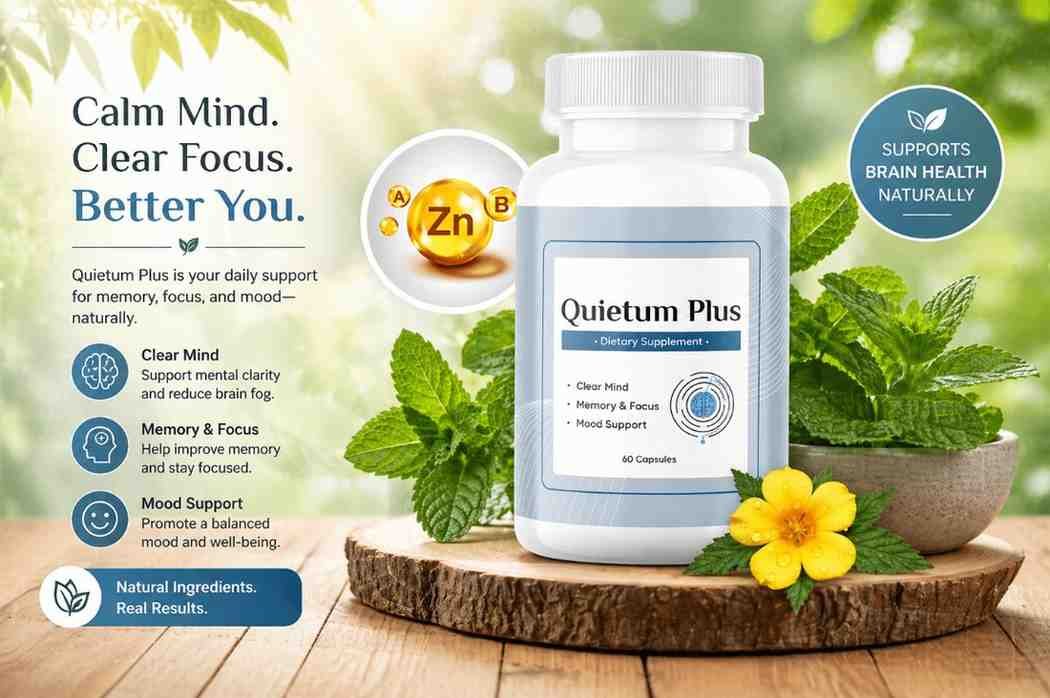
Living with tinnitus can be one of the most frustrating health challenges. The constant ringing, buzzing, or whooshing sounds in your ears don’t just affect your hearing—they impact your sleep quality, concentration, emotional well-being, and overall quality of life. If you’ve been searching for effective tinnitus relief, you’ve likely encountered countless products promising miraculous results, only to be disappointed.
Tinnitus affects approximately 15-20% of adults worldwide, making it one of the most common auditory conditions. Despite its prevalence, conventional medical treatments often fall short, leaving millions of people searching for alternative solutions. This is where natural dietary supplements like Quietum Plus enter the conversation.
In this comprehensive Quietum Plus review, we’ll examine everything you need to know about this supplement—from its ingredients and scientific backing to real user experiences and whether it truly delivers on its promises for tinnitus support and ear health improvement.
What Is Quietum Plus? A Detailed Overview
Quietum Plus is a natural dietary supplement specifically formulated to address tinnitus symptoms and support overall ear health. Unlike pharmaceutical interventions that often come with unwanted side effects, this supplement takes a holistic approach by combining traditional herbal ingredients with modern nutritional science.
The formula was developed by researchers focused on understanding the connection between auditory health and overall bodily systems. Rather than simply masking symptoms, Quietum Plus aims to address root causes of tinnitus, including poor circulation to the inner ear, inflammation in the auditory system, and oxidative stress affecting nerve function.
How Quietum Plus Differs from Other Tinnitus Supplements
What distinguishes Quietum Plus from competing products is its comprehensive approach. Many tinnitus relief supplements focus on just one or two aspects of ear health, but this formula combines multiple mechanisms:
- Circulatory support to ensure adequate blood flow to the inner ear
- Anti-inflammatory properties to reduce swelling and irritation in auditory pathways
- Neuroprotective ingredients that support healthy nerve function
- Antioxidant compounds that combat oxidative stress
- Nutritional support for overall ear tissue health
This multi-targeted approach makes Quietum Plus a more thorough solution for individuals seeking comprehensive auditory support.
The Science Behind Quietum Plus: How Does It Work?
Understanding how Quietum Plus works requires examining both the mechanisms of tinnitus and how this supplement’s ingredients interact with those processes.
The Root Causes of Tinnitus
Tinnitus isn’t actually a disease itself—it’s a symptom of underlying issues. Common causes include:
Age-related hearing loss occurs when the delicate hair cells in the inner ear deteriorate over time, leading to abnormal neural signals that the brain interprets as sound. Exposure to loud noise can damage these same structures, creating similar phantom sounds.
Poor circulation to the inner ear means inadequate oxygen and nutrient delivery, compromising the health of auditory structures. Inflammation in the ear or surrounding tissues can irritate nerves and create the perception of sound. Oxidative stress damages cells throughout the auditory system, interfering with normal function.
Nerve dysfunction can cause miscommunication between the ear and brain, resulting in tinnitus perception. Understanding these mechanisms helps explain how Quietum Plus ingredients work synergistically to provide relief.
The Quietum Plus Mechanism of Action
Quietum Plus works through several interconnected pathways to support ear health and reduce tinnitus symptoms:
First, ingredients like Ginkgo Biloba and Hibiscus improve blood circulation throughout the body, including the delicate vasculature of the inner ear. Better circulation means improved oxygen and nutrient delivery to auditory structures, supporting their optimal function and repair.
Second, anti-inflammatory compounds in the formula help reduce swelling and irritation in the auditory system. Chronic inflammation can perpetuate tinnitus symptoms, so addressing this underlying issue is crucial for long-term relief.
Third, neuroprotective ingredients support the health of auditory nerves, improving signal transmission between the ear and brain. This can help reduce the misinterpretation of signals that creates phantom sounds.
Fourth, antioxidants combat oxidative stress that damages cellular structures throughout the ear. By neutralizing free radicals, these compounds help protect and preserve hearing function.
Finally, the formula provides essential nutrients that support tissue health and repair, giving your body the building blocks it needs to maintain optimal auditory function.
Quietum Plus Ingredients: A Comprehensive Analysis
The effectiveness of any supplement depends entirely on its ingredients. Let’s examine each component of Quietum Plus in detail, including the scientific evidence supporting its use for tinnitus relief and ear health.
Tribulus Terrestris: Beyond Athletic Performance
Tribulus Terrestris has been used in traditional medicine for centuries, primarily known for its effects on hormonal balance and athletic performance. However, research suggests this herb offers significant benefits for ear health as well.
Studies indicate that Tribulus Terrestris contains powerful antioxidant compounds that combat oxidative stress throughout the body, including the delicate structures of the inner ear. Oxidative damage is a key contributor to age-related hearing loss and tinnitus.
Additionally, this ingredient may help reduce inflammation and support healthy circulation—both critical factors in maintaining optimal auditory function. The herb’s ability to potentially boost dopamine levels might also explain why some users report improved mood and reduced stress when taking supplements containing Tribulus Terrestris, which can indirectly benefit tinnitus sufferers since stress often exacerbates symptoms.
Dong Quai: The Female Ginseng with Circulatory Benefits
Dong Quai, also known as Angelica sinensis or “female ginseng,” has been a staple of traditional Chinese medicine for over 2,000 years. While primarily known for supporting women’s health, its benefits extend to cardiovascular and circulatory support.
For tinnitus relief, Dong Quai’s ability to improve blood circulation is particularly relevant. The inner ear requires constant blood flow to function properly. When circulation is compromised, auditory structures don’t receive adequate oxygen and nutrients, potentially leading to dysfunction and tinnitus symptoms.
Research has shown that Dong Quai contains compounds that may help dilate blood vessels and improve blood flow throughout the body. This enhanced circulation can benefit the tiny blood vessels supplying the inner ear, supporting healthy hearing function.
Catuaba Powder: Traditional Brazilian Wisdom
Catuaba is a Brazilian herb with a long history of traditional use for various health concerns, including fatigue, stress, and cognitive function. In the context of Quietum Plus, Catuaba’s potential benefits for ear health relate to its effects on circulation and neuroprotection.
Traditional practitioners have used Catuaba to improve blood flow and reduce oxidative stress—both mechanisms that support auditory health. Some research suggests the herb may have neuroprotective properties, potentially supporting the health of auditory nerves that transmit sound signals from the ear to the brain.
While more research is needed specifically on Catuaba’s effects on tinnitus, its traditional use for improving overall vitality and reducing stress may offer indirect benefits, as stress and general health status significantly impact tinnitus severity.
Damiana: More Than an Aphrodisiac
Damiana (Turnera diffusa) is another traditional herb included in the Quietum Plus formula. While often marketed for its aphrodisiac properties, Damiana offers a broader range of potential health benefits.
Research published in various phytomedicine journals indicates that Damiana possesses antioxidant and anti-inflammatory properties. These characteristics make it valuable for protecting delicate tissues throughout the body, including those in the auditory system.
Additionally, Damiana has traditionally been used to support nervous system health and reduce anxiety. Since stress and anxiety can significantly worsen tinnitus symptoms, ingredients that promote relaxation and nervous system balance may provide indirect tinnitus relief.
Mucuna Pruriens: Natural L-DOPA Source
Mucuna Pruriens, also known as velvet bean, is a legume that contains naturally occurring L-DOPA, a precursor to the neurotransmitter dopamine. This makes it particularly interesting for auditory health and tinnitus management.
Dopamine plays important roles in the auditory system, including modulation of signals between the ear and brain. Some research suggests that dopaminergic dysfunction may contribute to certain types of tinnitus, making Mucuna Pruriens a theoretically sound inclusion in tinnitus supplements.
Beyond its effects on neurotransmitters, Mucuna Pruriens has demonstrated antioxidant and neuroprotective properties in various studies. These qualities support overall brain and nerve health, which is crucial for proper auditory function.
Users often report that Mucuna Pruriens helps reduce anxiety and improve mood—benefits that can significantly impact the tinnitus experience, as emotional state strongly influences how bothersome tinnitus symptoms feel.
Ginkgo Biloba: The Gold Standard for Circulation
Ginkgo Biloba is perhaps the most well-researched herbal ingredient in the Quietum Plus formula for tinnitus relief. This ancient tree species has been studied extensively for its effects on circulation, cognitive function, and specifically for tinnitus management.
A systematic review published in the Cochrane Database of Systematic Reviews examined Ginkgo Biloba for tinnitus treatment. While results have been mixed, numerous studies have shown that Ginkgo can improve circulation to the brain and inner ear, which may help reduce tinnitus symptoms in some individuals, particularly when circulation issues contribute to the condition.
Ginkgo Biloba works by improving blood flow through several mechanisms, including vasodilation and reduced blood viscosity. For the inner ear, which relies on a constant supply of oxygen and nutrients delivered through tiny blood vessels, this improved circulation can be crucial for maintaining healthy function.
Additionally, Ginkgo possesses potent antioxidant properties that protect cells from oxidative damage—a key factor in age-related hearing loss and tinnitus development. The herb’s anti-inflammatory effects may further support ear health by reducing swelling and irritation in auditory structures.
Hibiscus and Garlic: Cardiovascular Support for Ear Health
Both Hibiscus and Garlic are included in the Quietum Plus formula primarily for their cardiovascular and circulatory benefits. These ingredients have been extensively studied for their effects on blood pressure, cholesterol, and overall heart health.
Hibiscus contains anthocyanins and other compounds that help relax blood vessels, potentially improving blood flow throughout the body, including to the inner ear. Some research suggests that Hibiscus may help lower blood pressure, which is important since hypertension can contribute to or worsen tinnitus in some individuals.
Garlic has been used medicinally for thousands of years and is well-documented for its cardiovascular benefits. It helps improve circulation, reduce inflammation, and provides antioxidant protection. For ear health, these properties translate to better nutrient delivery to auditory structures and protection against oxidative damage.
Supporting Ingredients: Ashwagandha, Maca, L-Tyrosine, and More
The Quietum Plus formula includes several additional ingredients that provide complementary support:
Ashwagandha is an adaptogenic herb that helps the body manage stress—a crucial benefit since stress significantly impacts tinnitus severity. Chronic stress can worsen tinnitus symptoms and make them more difficult to ignore, so ingredients that promote calm and resilience are valuable.
Maca Root provides nutritional support and has traditionally been used to boost energy and vitality. Better overall health status can positively impact how the body manages tinnitus and supports auditory function.
L-Tyrosine is an amino acid precursor to important neurotransmitters including dopamine and norepinephrine. Supporting healthy neurotransmitter balance may help with the neurological aspects of tinnitus.
Sarsaparilla Root has traditionally been used for its anti-inflammatory and antioxidant properties, providing additional support for reducing inflammation in the auditory system.
Piperine, derived from black pepper, is included to enhance the bioavailability of other ingredients, ensuring better absorption and effectiveness of the formula.
Quietum Plus Benefits: What Can You Realistically Expect?
Based on the ingredient analysis and user feedback, Quietum Plus offers several potential benefits for individuals struggling with tinnitus and seeking to support their ear health.
Reduced Tinnitus Intensity and Frequency
The primary benefit most users seek is relief from tinnitus symptoms. While individual results vary, many users report that consistent use of Quietum Plus gradually reduces the intensity of ringing, buzzing, or whooshing sounds in their ears.
It’s important to understand that this isn’t typically an overnight transformation. Most users notice gradual improvement over several weeks of consistent use. The ringing may become less intrusive, occur less frequently, or simply become easier to ignore as other aspects of ear health improve.
Improved Overall Ear Health
Beyond just reducing tinnitus symptoms, Quietum Plus supports general ear health through improved circulation, reduced inflammation, and antioxidant protection. These benefits can help preserve hearing function and support the longevity of auditory structures.
Better ear health means your auditory system is more resilient against age-related decline and environmental stressors. Even if you don’t experience complete elimination of tinnitus, supporting overall ear health is valuable for long-term auditory function.
Enhanced Circulation to the Inner Ear
Many of the ingredients in Quietum Plus work synergistically to improve blood flow to the delicate structures of the inner ear. This enhanced circulation ensures that auditory cells receive adequate oxygen and nutrients, supporting their optimal function and repair capacity.
Improved circulation can also help remove metabolic waste products from ear tissues more efficiently, reducing the buildup of substances that might contribute to dysfunction and tinnitus symptoms.
Reduced Inflammation in the Auditory System
Chronic inflammation is increasingly recognized as a contributor to numerous health problems, including auditory issues. The anti-inflammatory ingredients in Quietum Plus help reduce swelling and irritation in the ear and surrounding structures.
By addressing inflammation, the supplement may help reduce one of the underlying factors perpetuating tinnitus symptoms, potentially providing longer-lasting relief than approaches that simply mask symptoms.
Neuroprotection and Nerve Health Support
The health of auditory nerves is crucial for proper hearing function and can significantly impact tinnitus. Quietum Plus includes neuroprotective ingredients that support these delicate nerve pathways, potentially improving signal transmission between the ear and brain.
Better nerve health can reduce the miscommunication that sometimes creates phantom sounds, addressing one of the fundamental mechanisms behind certain types of tinnitus.
Antioxidant Protection Against Oxidative Stress
Free radical damage contributes to age-related hearing loss and can worsen tinnitus. The powerful antioxidants in Quietum Plus help neutralize these harmful molecules, protecting cellular structures throughout the auditory system.
This antioxidant protection is particularly valuable for individuals concerned about preserving their hearing as they age or those who have been exposed to oxidative stressors like loud noise or certain medications.
Stress Reduction and Improved Well-being
Several ingredients in the formula, particularly Ashwagandha and Mucuna Pruriens, support stress management and mood balance. Since stress significantly impacts how bothersome tinnitus feels, reducing stress levels can make symptoms more manageable even if the underlying tinnitus doesn’t completely disappear.
Many users report feeling calmer and more able to cope with their tinnitus after taking Quietum Plus consistently, which improves overall quality of life.
How to Use Quietum Plus for Optimal Results
To maximize the potential benefits of Quietum Plus, proper usage is essential. Here’s a detailed guide on how to incorporate this supplement into your daily routine effectively.
Recommended Dosage
The manufacturer recommends taking two capsules of Quietum Plus daily—one in the morning and one in the evening. This divided dosage helps maintain consistent levels of the active ingredients throughout the day, supporting continuous benefits.
Taking the capsules at approximately the same times each day can help establish a routine, making it easier to remember and ensuring consistent intake. Setting phone reminders or linking the supplement to existing habits (like brushing your teeth) can improve adherence.
Timing and Food Considerations
For best absorption and to minimize any potential digestive discomfort, take Quietum Plus with food. The presence of food in the stomach can help with the breakdown and absorption of certain ingredients, particularly fat-soluble compounds.
Taking the supplement with a full glass of water is also recommended. Adequate hydration supports overall circulation and helps ensure proper distribution of nutrients throughout the body, including to the inner ear.
Duration of Use for Noticeable Results
Tinnitus relief typically doesn’t happen overnight. Based on user feedback and the mechanisms of action, most individuals notice initial improvements within 3-4 weeks of consistent use, with more significant benefits emerging after 8-12 weeks.
Some users report needing 3-6 months of consistent use to experience the full benefits. This timeline makes sense given that Quietum Plus works by supporting underlying health factors rather than simply masking symptoms. True healing and restoration of optimal function takes time.
Lifestyle Factors That Enhance Effectiveness
While Quietum Plus provides nutritional support, combining supplementation with healthy lifestyle habits can enhance results:
Protect your ears from loud noise by using earplugs or noise-canceling headphones in noisy environments. Continued exposure to loud sounds can worsen tinnitus and counteract the benefits of supplementation.
Manage stress effectively through practices like meditation, yoga, deep breathing exercises, or regular physical activity. Since stress exacerbates tinnitus, stress management is crucial for comprehensive relief.
Maintain good sleep hygiene as inadequate sleep can worsen tinnitus symptoms and reduce your ability to cope with them. Aim for 7-9 hours of quality sleep each night.
Follow a balanced, anti-inflammatory diet rich in fruits, vegetables, whole grains, and omega-3 fatty acids. Nutrition significantly impacts overall health, including ear health.
Stay well-hydrated by drinking adequate water throughout the day. Proper hydration supports circulation and overall bodily functions.
Limit caffeine, alcohol, and nicotine, as these substances can affect circulation and potentially worsen tinnitus in some individuals.
Quietum Plus Safety: Side Effects and Precautions
Understanding the safety profile of any supplement is crucial before beginning use. Here’s what you need to know about Quietum Plus safety.
General Safety Profile
Quietum Plus is formulated with natural ingredients and is generally considered safe for most adults when used as directed. The supplement is manufactured in an FDA-registered facility following Good Manufacturing Practices (GMP), which ensures quality control and safety standards.
However, “natural” doesn’t automatically mean risk-free. Even herbal ingredients can cause side effects or interact with medications, so understanding potential concerns is important.
Potential Side Effects
Most users tolerate Quietum Plus well without experiencing significant side effects. However, some individuals may notice:
Mild digestive discomfort including slight stomach upset, nausea, or changes in bowel habits, particularly when first starting the supplement. Taking the capsules with food typically minimizes these effects.
Mild headaches occasionally occur during the initial adjustment period but typically resolve as the body adapts to the supplement.
Allergic reactions are possible for individuals sensitive to any of the herbal ingredients. If you have known allergies to plants in the same family as any Quietum Plus ingredients, exercise caution.
These side effects, when they occur, are typically mild and temporary. If symptoms persist or worsen, discontinue use and consult with a healthcare provider.
Important Precautions and Contraindications
Certain individuals should exercise caution or avoid Quietum Plus:
Pregnant or nursing women should consult their healthcare provider before using this supplement. Many herbal ingredients lack sufficient safety data for use during pregnancy or lactation.
Individuals taking prescription medications, particularly blood thinners, blood pressure medications, or diabetes medications, should consult their doctor before starting Quietum Plus. Several ingredients, including Ginkgo Biloba and Garlic, can potentially interact with these medications.
People with bleeding disorders should be particularly cautious with Ginkgo Biloba, which can affect blood clotting.
Individuals scheduled for surgery should stop taking Quietum Plus at least two weeks before the procedure due to potential effects on blood clotting and blood pressure.
Those with hormone-sensitive conditions should discuss use with their doctor, as some ingredients may have hormonal effects.
Quality and Manufacturing Standards
Quietum Plus is manufactured in an FDA-registered facility that follows Good Manufacturing Practices. This means the production process meets quality and safety standards for dietary supplements.
However, it’s important to understand that dietary supplements are not evaluated by the FDA in the same way as pharmaceutical drugs. The FDA doesn’t verify the effectiveness of supplements before they’re marketed, and manufacturers are responsible for ensuring their products are safe.
To ensure you’re getting an authentic product with proper quality control, purchase Quietum Plus only from the official website or authorized retailers. Counterfeit supplements sold through unauthorized channels may not contain the stated ingredients or could be contaminated with harmful substances.
Real User Experiences: Quietum Plus Customer Reviews Analysis
Understanding real user experiences provides valuable insights beyond marketing claims. Let’s examine what actual Quietum Plus users are reporting about their experiences.
Positive Feedback Themes
Many users report significant improvement in tinnitus symptoms after consistent use. Common positive themes include:
Reduced ringing intensity: Users frequently mention that the constant ringing in their ears has become noticeably quieter or less intrusive after several weeks of use.
Improved sleep quality: With less bothersome tinnitus, many users find it easier to fall asleep and stay asleep throughout the night.
Better focus and concentration: When tinnitus becomes less distracting, users report improved ability to concentrate on work, conversations, and daily activities.
Reduced stress and anxiety: The psychological burden of constant tinnitus can be overwhelming. Many users feel more relaxed and less anxious about their condition as symptoms improve.
Gradual, sustainable improvement: Unlike some treatments that provide temporary relief, users often note that benefits continue to improve with ongoing use and persist even after stopping the supplement.
Critical Feedback and Limitations
Not all users experience significant benefits. Common criticisms and limitations include:
Variable effectiveness: Some users report minimal or no improvement in their tinnitus symptoms despite consistent use for several months.
Slow onset of benefits: Some users become frustrated with the gradual pace of improvement, particularly if they were hoping for quick relief.
Cost considerations: At premium pricing, some users question whether the benefits justify the ongoing expense, particularly if improvements are modest.
Need for long-term use: Many users find that benefits diminish if they stop taking the supplement, meaning ongoing use is necessary to maintain results.
Understanding Individual Variability
The mixed feedback highlights an important reality: tinnitus is a complex condition with multiple potential causes, and no single treatment works for everyone. Factors affecting individual results include:
The underlying cause of tinnitus: Quietum Plus may be more effective for tinnitus caused by circulation issues or inflammation than for tinnitus resulting from severe structural damage to the inner ear.
Individual biochemistry: People metabolize and respond to herbal ingredients differently based on genetics, gut health, and other individual factors.
Consistency of use: Users who take the supplement consistently as directed are more likely to experience benefits than those with sporadic usage.
Overall health status: Individuals with good overall health may respond better than those with multiple health complications.
Realistic expectations: Users with reasonable expectations about gradual improvement tend to be more satisfied than those expecting immediate, complete elimination of symptoms.
Quietum Plus vs. Other Tinnitus Treatments: A Comparison
To help you make an informed decision, let’s compare Quietum Plus with other common approaches to tinnitus management.
Quietum Plus vs. Prescription Medications
Prescription medications for tinnitus typically include antidepressants, anti-anxiety medications, or medications originally developed for other conditions.
Advantages of Quietum Plus: Natural ingredient profile with fewer side effects, doesn’t require a prescription, addresses multiple underlying factors rather than just managing symptoms.
Advantages of prescription medications: More research support for specific medications, potentially more powerful effects for severe cases, covered by some insurance plans.
The choice between these approaches often depends on tinnitus severity, individual preference for natural vs. pharmaceutical interventions, and whether you have other conditions that might benefit from prescription medications.
Quietum Plus vs. Sound Therapy and Hearing Aids
Sound therapy uses external sounds to mask or retrain the brain’s response to tinnitus. Hearing aids can help by amplifying external sounds, making tinnitus less noticeable.
Advantages of Quietum Plus: Addresses underlying physiological factors, no external devices required, potentially supports overall ear health beyond just symptom management.
Advantages of sound therapy/hearing aids: Evidence-based approaches with substantial research support, doesn’t require ingesting anything, can provide immediate symptom relief.
These approaches aren’t mutually exclusive—many people benefit from combining Quietum Plus with sound therapy or hearing aids for comprehensive tinnitus management.
Quietum Plus vs. Cognitive Behavioral Therapy (CBT)
CBT for tinnitus helps change thought patterns and emotional responses to the condition, making it less bothersome even if the sound itself doesn’t disappear.
Advantages of Quietum Plus: Convenient daily supplementation, potentially addresses physical causes, no appointments or exercises required.
Advantages of CBT: Strong research support for effectiveness, teaches lasting coping skills, addresses the psychological impact of tinnitus.
Again, these approaches can complement each other. Quietum Plus may help reduce physical symptoms while CBT helps manage the emotional and psychological aspects.
Quietum Plus vs. Other Natural Supplements
Numerous other supplements claim to support ear health or reduce tinnitus, including standalone ingredients like Ginkgo Biloba, magnesium, zinc, or vitamin B12.
Advantages of Quietum Plus: Comprehensive multi-ingredient formula addressing multiple mechanisms, potentially more convenient than taking multiple separate supplements, ingredients selected for synergistic effects.
Advantages of other supplements: May be less expensive, allows for targeted intervention if you know which specific deficiency or mechanism is causing your tinnitus, some single ingredients have more robust research support.
The choice often depends on whether you prefer a comprehensive approach or want to target specific factors identified by testing or medical evaluation.
Scientific Evidence: Does Research Support Quietum Plus?
Evaluating the scientific evidence behind Quietum Plus requires examining both the supplement itself and the individual ingredients.
Clinical Trials on Quietum Plus
It’s important to note that Quietum Plus itself has not been subjected to rigorous clinical trials. There are no published studies specifically examining this proprietary formula’s effectiveness for tinnitus relief or ear health.
This doesn’t necessarily mean the supplement doesn’t work—many natural remedies used successfully for generations lack formal clinical trials. However, it does mean we must rely on the evidence for individual ingredients and user testimonials rather than controlled studies of the complete formula.
Evidence for Key Ingredients
Several ingredients in Quietum Plus have been studied for their potential benefits related to tinnitus and ear health:
Ginkgo Biloba has been examined in numerous studies for tinnitus. A Cochrane systematic review found mixed results, with some studies showing benefit and others showing no significant effect. The variability in results may relate to differences in Ginkgo preparation, dosage, duration of treatment, and the type of tinnitus being treated.
Magnesium deficiency has been linked to tinnitus in some research, and supplementation may help in deficient individuals. However, the evidence is not strong enough to recommend magnesium supplementation for all tinnitus sufferers.
Antioxidant vitamins have shown some promise for protecting against noise-induced hearing damage in animal studies, though human evidence is less robust.
Various herbal ingredients included in Quietum Plus have traditional use and preliminary research suggesting anti-inflammatory, circulatory, or neuroprotective benefits, but specific evidence for tinnitus treatment is often limited.
The Evidence Gap
The reality is that tinnitus research faces significant challenges. The condition is subjective, with no objective way to measure it. Tinnitus has multiple potential causes and mechanisms, making it difficult to study treatments that might work only for specific subtypes.
Many natural ingredients lack research funding compared to pharmaceutical drugs, resulting in less clinical evidence even when traditional use suggests benefits.
This evidence gap means that decisions about trying Quietum Plus must weigh the theoretical mechanisms, individual ingredient evidence, user testimonials, and personal circumstances rather than relying on gold-standard clinical trials of the complete formula.
Who Should Consider Quietum Plus?
Quietum Plus may be appropriate for several groups of individuals:
People experiencing mild to moderate tinnitus who want to try a natural approach before or alongside conventional treatments. The supplement’s multi-ingredient formula may help address various underlying factors.
Individuals whose tinnitus may be related to circulation issues, as several ingredients target blood flow to the inner ear.
Those seeking to support overall ear health as they age, even if tinnitus isn’t their primary concern.
People who prefer natural approaches and want to avoid pharmaceutical interventions when possible.
Individuals willing to commit to consistent use for at least 2-3 months to properly assess effectiveness.
Who Might Not Benefit from Quietum Plus
Quietum Plus may not be ideal for:
People with tinnitus from severe structural damage to the inner ear, where nutritional support is unlikely to reverse physical damage.
Individuals seeking immediate relief, as the supplement works gradually over weeks to months.
Those unwilling or unable to take supplements consistently, since sporadic use is unlikely to provide significant benefits.
People with tinnitus from specific medical conditions requiring targeted medical treatment, such as acoustic neuroma or Meniere’s disease.
Individuals on tight budgets who need to prioritize lower-cost interventions first.
Frequently Asked Questions About Quietum Plus
How long does it take for Quietum Plus to work?
Most users report noticing initial improvements within 3-4 weeks of consistent use, with more significant benefits emerging after 2-3 months. Some individuals require up to 6 months to experience full benefits. The gradual timeline reflects the supplement’s approach of supporting underlying health factors rather than just masking symptoms.
Can I take Quietum Plus with my current medications?
If you’re taking prescription medications, especially blood thinners, blood pressure medications, or diabetes drugs, consult your healthcare provider before starting Quietum Plus. Several ingredients can potentially interact with these medications.
Is Quietum Plus FDA approved?
Dietary supplements like Quietum Plus are not “approved” by the FDA in the same way as drugs. However, the supplement is manufactured in an FDA-registered facility following Good Manufacturing Practices, which ensures quality and safety standards.
Will Quietum Plus cure my tinnitus permanently?
Quietum Plus is not marketed as a cure for tinnitus. Rather, it’s designed to support ear health and reduce tinnitus symptoms by addressing underlying factors. Many users find that benefits persist with continued use but may diminish if they stop taking the supplement.
Are there any dietary restrictions while taking Quietum Plus?
There are no specific dietary restrictions, though following a healthy, anti-inflammatory diet may enhance the supplement’s benefits. Some users find that limiting caffeine, alcohol, and high-sodium foods helps manage their tinnitus alongside supplementation.
Can younger people take Quietum Plus?
The supplement is formulated for adults. While there’s no specific age restriction, it’s primarily marketed toward older adults experiencing age-related ear health concerns. Younger individuals with tinnitus should consult a healthcare provider to identify and address the specific cause of their symptoms.
What’s the refund policy for Quietum Plus?
The manufacturer typically offers a 60-day money-back guarantee, allowing you to try the supplement risk-free. If you’re unsatisfied with the results, you can request a refund within this timeframe. Always verify current refund policies on the official website before purchasing.
Where can I buy authentic Quietum Plus?
To ensure you receive a genuine product with proper quality control, purchase Quietum Plus only from the official website. Avoid third-party sellers on platforms like Amazon or eBay, as counterfeit products are common and may not contain the stated ingredients or could be contaminated.
Final Verdict: Is Quietum Plus Worth Trying?
After this comprehensive analysis of Quietum Plus, what’s the bottom line?
Quietum Plus offers a thoughtfully formulated blend of natural ingredients that address multiple factors potentially contributing to tinnitus and ear health decline. The supplement’s multi-ingredient approach targets circulation, inflammation, oxidative stress, and nerve health—all relevant mechanisms for auditory function.
The ingredients, while lacking specific clinical trials as a complete formula, individually have varying levels of evidence supporting their use for circulation, anti-inflammatory effects, and neuroprotection. User testimonials suggest that many people experience meaningful benefits, though results are clearly variable.
The supplement’s safety profile appears favorable for most users when taken as directed, though individuals on medications or with specific health conditions should consult healthcare providers first.
The primary drawbacks include the lack of clinical trials on the complete formula, variable effectiveness among users, and the premium pricing that requires ongoing investment for sustained benefits.
Quietum Plus is worth considering if you’re experiencing mild to moderate tinnitus, prefer natural approaches, are willing to commit to consistent use for several months, and can afford the investment. The 60-day money-back guarantee provides some risk mitigation for trying the supplement.
However, maintain realistic expectations. Quietum Plus is unlikely to work for everyone, results take time, and the supplement works best as part of a comprehensive approach that includes protecting your ears from loud noise, managing stress, and maintaining overall health.
For individuals with severe tinnitus or tinnitus from specific medical conditions, conventional medical evaluation and treatment should remain the priority, with supplements like Quietum Plus potentially serving as complementary support rather than primary treatment.
Ultimately, the decision to try Quietum Plus should be made in consultation with a healthcare provider who understands your specific health situation and can help you develop a comprehensive tinnitus management strategy.
Taking the Next Step: A Holistic Approach to Tinnitus Management
Whether or not you choose to try Quietum Plus, remember that effective tinnitus management typically requires a multi-faceted approach:
Protect your hearing from further damage by using hearing protection in loud environments and keeping volume at safe levels when using headphones.
Address underlying health conditions that may contribute to tinnitus, such as high blood pressure, diabetes, or thyroid problems.
Manage stress effectively through meditation, exercise, therapy, or other stress-reduction techniques you find helpful.
Ensure adequate sleep and address any sleep disorders that may be present.
Consider sound therapy or hearing aids if appropriate for your situation.
Work with healthcare professionals including audiologists, ENT specialists, or hearing health professionals who can properly evaluate your condition and recommend evidence-based treatments.
Stay informed about your condition and new developments in tinnitus treatment without becoming overwhelmed by information.
Connect with support groups where you can share experiences and coping strategies with others who understand what you’re going through.
Be patient with yourself as you work toward better management of your symptoms. Finding the right combination of approaches often takes time and experimentation.
Quietum Plus may be one tool in your tinnitus management toolkit, but it works best as part of a comprehensive approach to ear health and overall well-being. Your journey toward better management of tinnitus is unique, and what works for others may not work for you, and vice versa.
By staying informed, working with healthcare professionals, and being willing to try different approaches while maintaining realistic expectations, you can find ways to reduce the impact of tinnitus on your quality of life and move toward the peace and quiet you deserve.